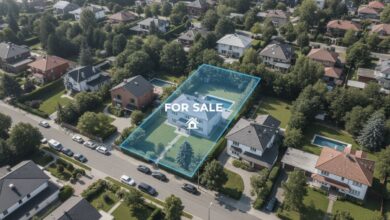
Investing in real estate has long been touted as one of the most reliable ways to build long-term wealth, but while many flock to residential houses or commercial office spaces, there is a fundamental asset class that often gets overlooked: raw land. Land is the canvas upon which all civilization is built. It is a finite resource, a tangible asset that doesn’t depreciate like a car or wear down like a building. However, purchasing land is not as simple as picking a spot on a map. It requires a nuanced understanding of types, logistics, financing, and legal hurdles. This guide explores everything you need to know before you plant your flag on a piece of the earth.
The Diverse Landscape: Types of Land for Sale






Not all dirt is created equal. Before you start browsing listings, you must define the purpose of your purchase. Land is generally categorized based on its intended use and the level of infrastructure present.
1. Residential Land
This is perhaps the most common entry point for individual buyers. Residential land is intended for building homes, whether it’s a single-family residence, a duplex, or a multi-family complex. These lots are often found within established neighborhoods or emerging subdivisions where utilities are already nearby.
2. Commercial and Industrial Land
Designed for business purposes, these plots are situated in areas zoned for retail centers, offices, or warehouses. Industrial land is usually located away from residential hubs and closer to major transportation arteries like highways, ports, or railways to facilitate logistics.
3. Agricultural Land
If your goal is farming, ranching, or timber production, agricultural land is the target. These properties are often vast and may come with specific tax benefits, though they are subject to strict regulations regarding their use and conservation.
4. Recreational Land
Think of this as land for play. Whether it’s for hunting, fishing, camping, or simply a private retreat to ride ATVs, recreational land is often off the beaten path. It may lack modern amenities but offers peace and natural beauty.
Crucial Considerations Before You Buy
Buying land requires more due diligence than buying a pre-built home. You are essentially buying potential, and you need to ensure that potential isn’t blocked by physical or regulatory barriers.
Location and Accessibility
It’s an old real estate cliché for a reason. Beyond the neighborhood’s prestige, you must consider physical access. Is the land ‘landlocked’ (surrounded by other private properties with no public road access)? If so, you’ll need to negotiate an easement. Additionally, consider proximity to essential services like hospitals, grocery stores, and schools.
Zoning and Land Use Restrictions
Zoning is the law of the land. It dictates what you can and cannot build. You might dream of building a tiny house community, but if the land is zoned for ‘Single-Family Residential’ with minimum square footage requirements, your dream will remain just that. Always check with the local planning department for zoning ordinances and future development plans for the area.
Topography and Soil Quality
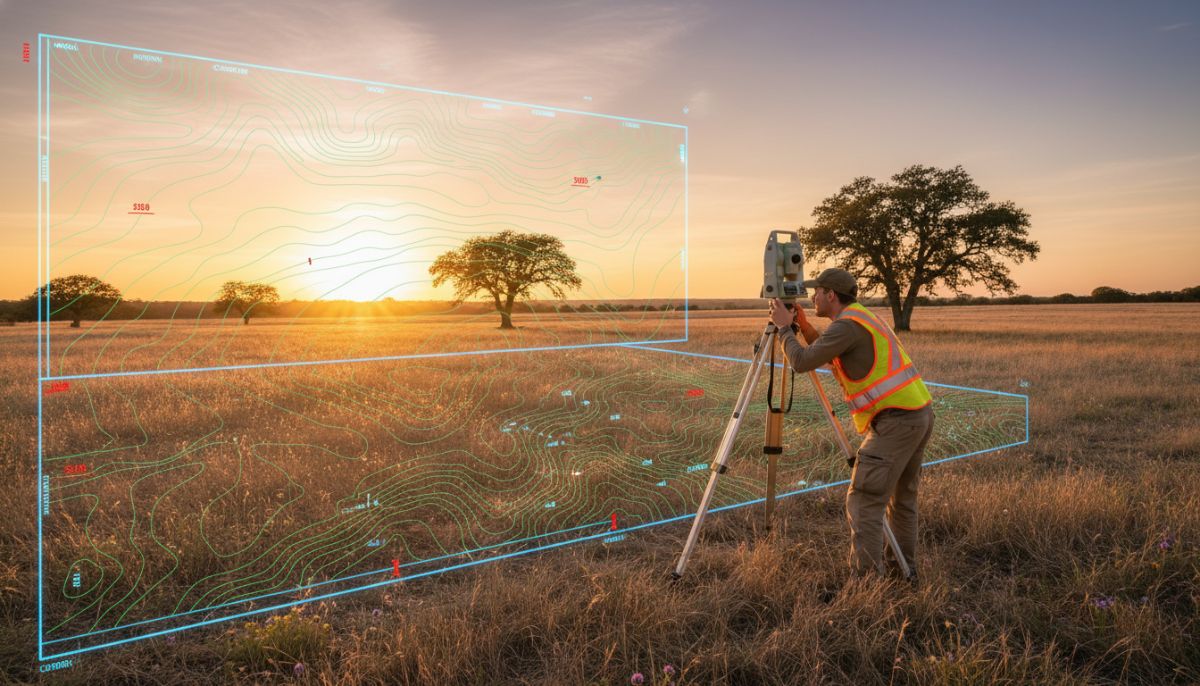
A flat lot might look perfect, but poor drainage can turn it into a swamp during the rainy season. Conversely, a lot with a stunning cliffside view might be prohibitively expensive to build on due to the need for specialized foundations. Furthermore, if you plan on installing a septic system, the soil must pass a ‘perc test’ (percolation test) to ensure it can absorb water properly.
Utilities and Infrastructure
Getting electricity, water, and internet to a remote piece of land can cost a fortune. If the land doesn’t have access to municipal water, you’ll need to dig a well. If there’s no sewer line, a septic system is required. Always get quotes for running these lines before finalizing the purchase.
The Financial Puzzle: Financing Land Purchases
Financing land is significantly different—and often more difficult—than obtaining a traditional mortgage. Lenders view land as a higher risk because there is no immediate collateral (like a house) to move into if the borrower defaults.
Types of Land Loans
1. Raw Land Loans: For land that is completely undeveloped (no roads, no power). These require the highest down payments, often 35% to 50%.
2. Unimproved Land Loans: For land that has some basic infrastructure but lacks some essential utilities.
3. Improved Land Loans: For lots that are build-ready with all utilities and road access. These carry the lowest interest rates and lower down payment requirements (roughly 20%).
Seller Financing
In many land transactions, the seller acts as the bank. You make a down payment and pay the seller in installments. This can be a great option if you have a lower credit score or want to avoid the bureaucratic hurdles of a traditional bank, but the interest rates are often higher.
The Legal Minefield: Deeds, Titles, and Easements
The legal side of buying land is where most pitfalls occur. You aren’t just buying soil; you’re buying a legal description.
Title Search and Insurance
Never buy land without a thorough title search. You need to ensure the seller actually owns the land and that there are no liens against it. Title insurance protects you if a long-lost heir or a previous creditor suddenly claims ownership after you’ve started building.
Easements and Encroachments
An easement is a right held by someone else to use a portion of your land. This could be a utility company with a line running underground or a neighbor who uses a path to reach the main road. Encroachments occur when a neighbor’s fence or driveway crosses your property line. A survey is essential to identify these issues early.
Environmental Regulations
Depending on the location, the land might be protected as a wetland or serve as a habitat for an endangered species. These designations can severely limit or even prohibit development. It’s wise to conduct an environmental site assessment if you suspect the land was previously used for industrial purposes or contains sensitive ecosystems.
Conclusion: The Path to Ownership
Buying land is a journey that rewards the patient and the prepared. While the process is more complex than buying a turnkey property, the rewards are unparalleled. Whether you are looking to build your forever home, start a sustainable farm, or hold the property as a speculative investment, understanding the types of land, the physical constraints, the financial landscape, and the legal requirements is your roadmap to success. By doing your homework and consulting with professionals—real estate agents, lawyers, and surveyors—you can ensure that your piece of the earth is a solid foundation for your future.