Land For Sale Near Me: Your Comprehensive Guide to Finding the Perfect Property

The Allure of Owning Your Own Piece of Earth
There is something fundamentally human about the desire to own land. Whether it is the dream of building a custom home from the ground up, starting a sustainable homestead, or simply securing a tangible asset for the future, the search for “land for sale near me” is often the first step in a life-changing journey. Unlike purchasing a pre-built house, buying raw land offers a blank canvas where your vision is the only limit. However, this freedom comes with a unique set of challenges and considerations that require a blend of local knowledge, due diligence, and a bit of patience.
In today’s fast-paced real estate market, finding the right property involves more than just browsing listings. It requires understanding the nuances of the local geography, navigating complex zoning laws, and identifying the hidden potential of a plot of soil. In this guide, we will explore the essential steps to finding, evaluating, and purchasing land that aligns with your long-term goals.
Defining Your Purpose: What Kind of Land Do You Need?
Before you start scrolling through map-based search results, you must define exactly what you intend to do with the property. The term “land” covers a broad spectrum of real estate categories, each with its own set of rules and requirements.
Residential Land
If your goal is to build a primary residence, you are looking for residential lots. These are typically smaller parcels located within or near existing communities. They often have easier access to utilities like water, electricity, and sewage systems. When searching for residential land near you, focus on the quality of the neighborhood, school districts, and the proximity to your workplace.
Agricultural and Rural Land
For those dreaming of a farm, orchard, or a large private estate, agricultural land is the target. These properties are often larger and located further from urban centers. While they offer peace and privacy, they may require more infrastructure development, such as drilling a well or installing a septic system. These plots are also subject to different tax rates and conservation easements.
Investment and Commercial Land
Some buyers look for land purely as a financial vehicle. Buying land in the path of progress—areas where urban sprawl is moving—can lead to significant appreciation over time. Commercial land, on the permit-heavy side, is intended for businesses, warehouses, or multi-family developments.
The Power of Local Search: Finding Land “Near Me”
The phrase “near me” is more than just a convenient search term; it reflects a desire for connection and accessibility. Buying land within a reasonable distance of your current location allows you to visit the site frequently during the development phase and maintain a connection to your existing community.
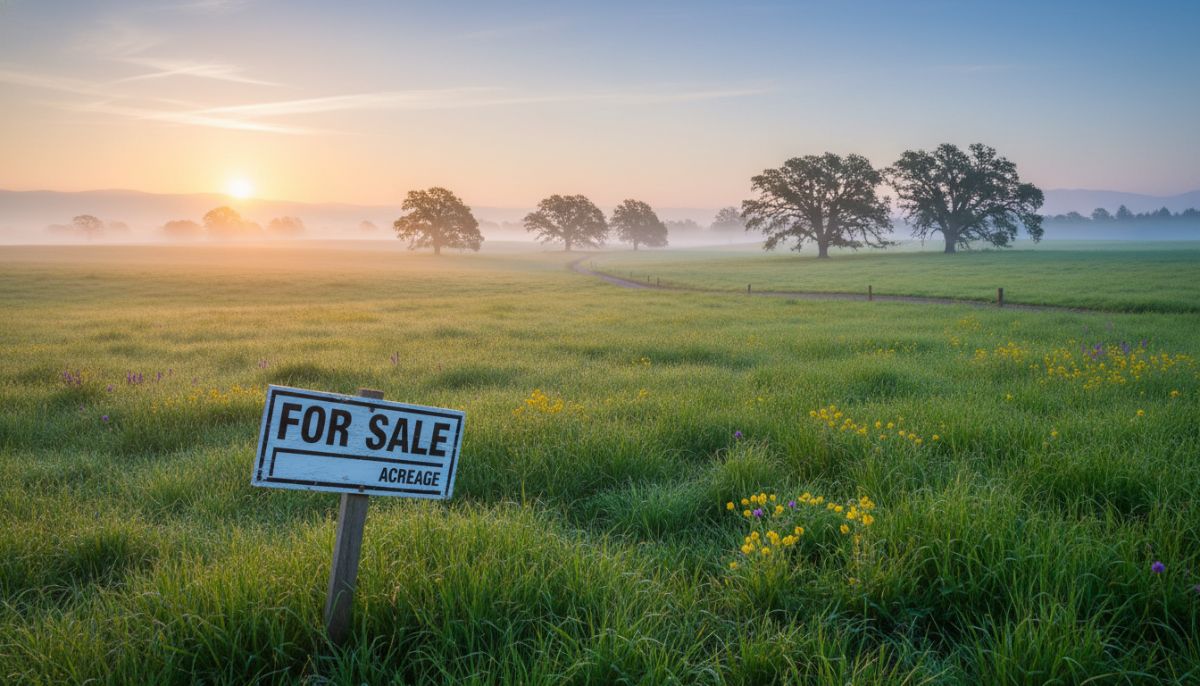
To find the best local deals, utilize online platforms like Zillow, LandWatch, and local MLS (Multiple Listing Service) sites. However, do not underestimate the power of “boots on the ground.” Often, the best parcels are discovered by driving through desired areas and looking for “For Sale by Owner” signs or by talking to local residents and business owners who may know of upcoming listings before they hit the internet.
Evaluating the Property: Beyond the Surface
Once you find a piece of land that catches your eye, it is time for rigorous due diligence. Raw land can be deceptive; a beautiful meadow might have poor drainage, or a wooded lot might be protected by environmental regulations.
Zoning and Land Use Restrictions
Zoning is perhaps the most critical factor in your purchase. Zoning laws dictate what can be built on the land and how it can be used. You must verify with the local county or municipal planning department that your intended use—whether it’s a tiny home, a horse farm, or a workshop—is permitted. Also, be aware of Covenants, Conditions, and Restrictions (CC&Rs) if the land is part of a subdivision.
Topography and Soil Quality
The shape of the land matters. Steep slopes can significantly increase construction costs, while low-lying areas may be prone to flooding. For those planning to build, a “perc test” (percolation test) is essential if the land is not connected to a municipal sewer system. This test determines how well the soil absorbs liquid, which is necessary for a functional septic system.
Utilities and Access
Does the land have legal access to a public road? Some rural properties are “landlocked,” meaning they are surrounded by other private properties without a direct path to a public thoroughfare. You will also need to investigate the cost of bringing utilities to the site. If the nearest power pole is a mile away, the cost of running lines can reach tens of thousands of dollars.
Navigating the Financial Landscape of Land Buying
Financing raw land is notably different from obtaining a standard residential mortgage. Lenders generally view land loans as higher risk because there is no immediate collateral in the form of a building. Consequently, you might encounter higher interest rates and requirements for larger down payments—often ranging from 20% to 50%.
When searching for “land for sale near me,” consider looking for “Owner Financing.” This is an arrangement where the seller acts as the bank, allowing you to make payments directly to them. This can be a great option for buyers who may not qualify for traditional bank financing or who want to move more quickly on a deal.
The Importance of Professional Guidance
While it is possible to buy land on your own, having a team of experts can save you from costly mistakes. A real estate agent who specializes in land sales understands the nuances of acreage and can help you navigate local regulations. Furthermore, a land surveyor is indispensable for marking property boundaries and identifying easements, while a real estate attorney can ensure the title is clear and the contract protects your interests.
Finalizing Your Vision: Building Your Legacy
Finding the perfect piece of property is a marathon, not a sprint. It requires a keen eye, a bit of research, and the willingness to look past the weeds to see the potential of the soil. Whether you are seeking a quiet retreat from the city or a strategic investment for your family’s future, the land you choose today will be the foundation for everything you build tomorrow.
As you embark on your search for land for sale near you, remember to stay patient and stay curious. Every plot of earth has a story, and with the right approach, you can be the one to write its next chapter. From the first site visit to the final signature at closing, owning land is an empowering experience that truly lets you claim your place in the world.