Buy My House: Essential Tips and Strategies For Selling Your Property Quickly

Navigating the Real Estate Market: Your Guide to a Successful Sale
Selling a home is often cited as one of life’s most stressful events. Whether you are upgrading to a larger space, downsizing for retirement, or relocating for a new career opportunity, the phrase “buy my house” represents a significant emotional and financial transition. In today’s dynamic real estate market, simply putting a ‘For Sale’ sign in the yard is no longer enough. To secure the best price and ensure a smooth closing, homeowners must adopt a strategic approach that combines preparation, psychology, and high-level marketing.
This comprehensive guide explores the essential steps every seller should take, from initial repairs to the final handshake. By following these expert tips, you can transform your property into a highly desirable asset that stands out in a crowded marketplace.






First Impressions: The Power of Curb Appeal
Before a potential buyer even steps through the front door, they have already formed an opinion about your property. This initial judgment, known as curb appeal, is crucial. If the exterior of the house looks neglected, buyers will subconsciously assume that the interior and the mechanical systems have been neglected as well.
Start with the basics: ensure the lawn is neatly manicured, the bushes are trimmed, and the walkway is clear of debris. A fresh coat of paint on the front door can work wonders, as can updated house numbers and modern exterior lighting. If your siding is looking a bit dull, a professional power wash can make the entire structure look years younger. Remember, you aren’t just selling a building; you are selling the dream of a beautiful home.
Interior Staging: Creating a Blank Canvas
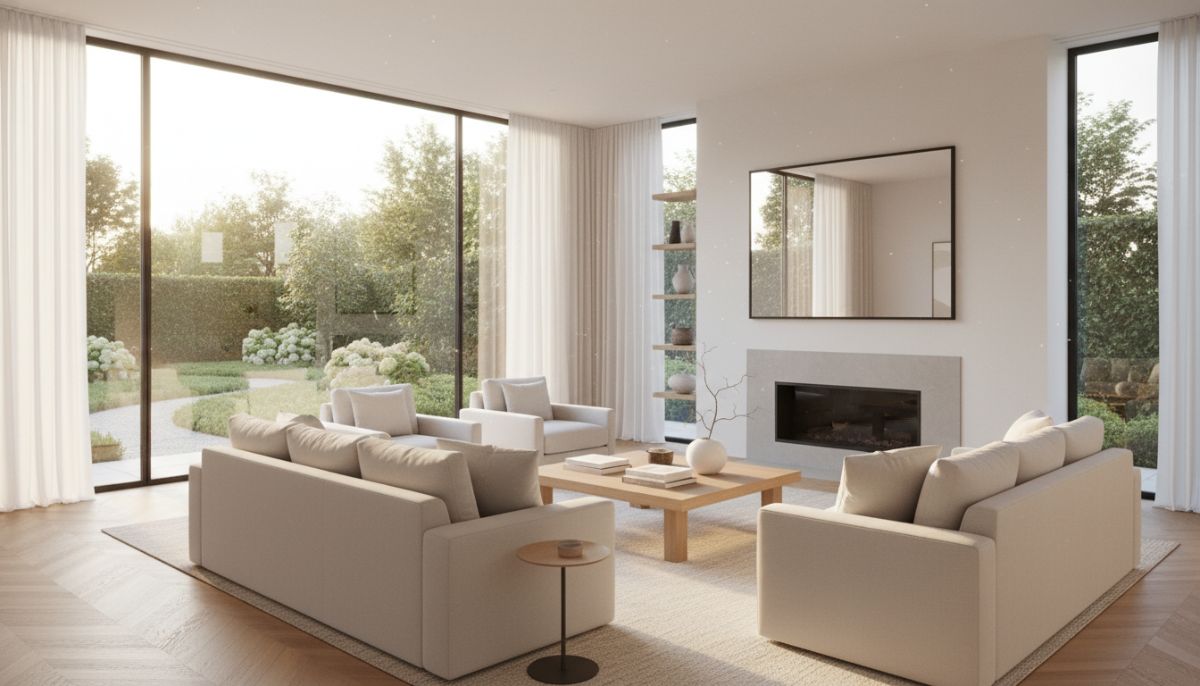
Once the exterior has lured them in, the interior must seal the deal. The goal of staging is to help potential buyers visualize themselves living in the space. This is difficult to do if your family photos, quirky collectibles, and personal mementos are everywhere.
Professional stagers recommend ‘depersonalizing’ the home. This means clearing off kitchen counters, removing excess furniture to make rooms feel larger, and neutralizing bold paint colors. A fresh coat of off-white or light gray paint can make a space feel brighter and more modern.
The Price is Right: Avoiding the Overpricing Trap
Perhaps the most critical factor in selling your property is the listing price. It is natural to feel that your home is worth more than the neighbors’, especially if you have spent years making memories there. However, the market is indifferent to sentiment.
Pricing your home too high can lead to it languishing on the market for months. When a house sits for too long, buyers begin to wonder if there is something wrong with it, often leading to lower offers than if it had been priced correctly from the start. Conduct a Comparative Market Analysis (CMA) with a local real estate expert to see what similar homes in your area have actually sold for in the last six months. A competitive price generates buzz, which can often lead to multiple offers and a higher final sale price.
Photography and Digital Presence
In the digital age, your home’s first ‘showing’ happens on a smartphone screen. If your listing photos are dark, blurry, or cluttered, many buyers will swipe right past you without a second thought.
Investing in professional real estate photography is non-negotiable. A professional knows how to use wide-angle lenses and natural lighting to make rooms appear spacious and inviting. Furthermore, consider adding a 3D virtual tour or drone footage of the neighborhood. These high-tech touches signal to buyers that you are a serious seller and provide them with the transparency they crave before committing to an in-person visit.
Direct Sales vs. Traditional Listings
While many people choose to list their homes on the MLS (Multiple Listing Service) with an agent, there is a growing trend of selling directly to professional home buyers or ‘iBuyers.’ This ‘Buy My House’ for cash model offers several advantages, particularly speed and convenience.
If you sell to a cash buyer, you can often skip the repairs, the staging, and the endless stream of open houses. There are no financing contingencies, meaning the deal is much less likely to fall through at the last minute. While you might receive a slightly lower offer than the full market retail value, the savings on commissions, closing costs, and repair bills often make it a viable and attractive alternative for those who need a guaranteed exit strategy.
Mastering the Negotiation
When the offers start coming in, the real work begins. Negotiation is about more than just the bottom-line number. You must also consider the buyer’s terms. Is their financing secure? Are they asking for a long list of repairs? Do they have a ‘house sale contingency’ (meaning they have to sell their current home before they can buy yours)?
A formal yet flexible approach usually yields the best results. If a buyer’s offer is low, don’t take it personally. Instead, counter-offer with data-backed reasoning. Perhaps you are willing to come down slightly on price if they agree to an ‘as-is’ sale. Building a bridge of communication helps ensure that both parties feel they are getting a fair deal.
The Final Stretch: Closing with Confidence
Once you’ve accepted an offer and navigated the inspection period, you enter the ‘escrow’ or closing phase. This is where the legalities are finalized. Ensure you have all your paperwork in order, including property tax records, warranties for appliances, and documentation of any major repairs or upgrades you’ve made.
Be prepared for the final walkthrough, where the buyer ensures the home is in the same condition as when they made the offer. Once the deeds are signed and the funds are transferred, the journey is complete. Selling a house is a marathon, not a sprint, but with the right preparation and mindset, the finish line is a rewarding place to be.