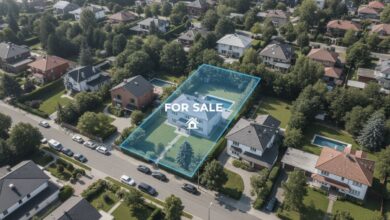
Selling a home is often cited as one of life’s most stressful events. It is more than just a financial transaction; it is a complex transition that involves emotional attachment, legal intricacies, and market volatility. However, with the right roadmap, what seems like a daunting mountain to climb can become a rewarding journey. Whether you are a first-time seller or a seasoned real estate investor, understanding the strategic nuances of the modern market is essential to securing the best possible price and a smooth closing process.
1. Preparation: Setting the Stage for Success






Before you even think about listing your property, you must view it through the eyes of a potential buyer. Most buyers decide within the first few seconds of entering a home whether it feels right. This ‘curb appeal’ and internal ambiance are non-negotiable.
Decluttering and Depersonalizing
Your goal is to create a blank canvas. Prospective buyers need to imagine their own lives in the space. This means packing away family photos, quirky collectibles, and any excess furniture that makes rooms feel smaller than they are. Think of your home as a high-end hotel room—clean, inviting, but neutral.
Repairs and Enhancements
You don’t necessarily need a full kitchen remodel to increase value. Often, small fixes provide the highest return on investment (ROI). Fix leaky faucets, replace burnt-out lightbulbs, and apply a fresh coat of neutral paint (like off-white or light gray). These minor improvements signal to the buyer that the home has been well-maintained, reducing their fear of hidden maintenance costs.
2. Strategic Pricing: The Science of the Market
One of the most critical steps in selling your house is determining the right asking price. Price it too high, and your listing will sit stagnant, eventually becoming ‘stale’ in the eyes of buyers. Price it too low, and you leave money on the table.
Comparative Market Analysis (CMA)
A professional real estate agent can provide a CMA, which looks at recently sold homes in your area that are similar in size, condition, and features. Pay close attention to ‘sold’ prices rather than ‘active’ listing prices, as the former represents what the market is actually willing to pay.
The Psychology of Pricing
Consider the search filters used on major real estate websites. If you price your home at $505,000, you will miss everyone who sets their search limit to $500,000. Pricing at $499,000 can often lead to more eyes on the property and, potentially, a bidding war that drives the final price above the half-million mark.

3. High-Impact Marketing in the Digital Age
In today’s market, your first ‘showing’ happens online. If your digital presentation is subpar, buyers won’t even bother to visit in person.
Professional Photography and Videography
Smartphone photos are no longer sufficient. High-quality, wide-angle photography taken during ‘golden hour’ can make a significant difference. Additionally, 3D virtual tours and drone footage have become industry standards, allowing remote buyers to explore the property from anywhere in the world.
Compelling Listing Descriptions
While the photos grab attention, the description seals the deal. Focus on the lifestyle the home offers. Don’t just list the features; explain the benefits. Instead of ‘Large backyard,’ try ‘An expansive backyard oasis perfect for summer BBQs and family gatherings.’ Highlight proximity to schools, parks, and trendy cafes to appeal to the target demographic.
4. The Art of the Showing
Once the listing is live, you need to be prepared for showings at a moment’s notice. While inconvenient, flexibility is key.
Creating an Atmosphere
Before a showing, open the curtains to let in natural light, turn on all the lamps to create a warm glow, and ensure the house smells fresh. Avoid strong artificial scents; instead, opt for the subtle aroma of freshly cleaned linens or a neutral air neutralizer.
Step Out for the Viewing
Always leave the house during showings. Buyers feel pressured and uncomfortable discussing the property’s flaws if the owner is hovering nearby. Give them the space to be honest and truly ‘feel’ the home.
5. Negotiating and Closing the Deal
Receiving an offer is exciting, but it’s just the beginning of the final phase. Not all offers are created equal.
Evaluating the Full Offer
The highest price isn’t always the best offer. You must also consider the buyer’s financing (cash vs. mortgage), the down payment amount, and the contingencies. A lower offer with no contingencies and a quick closing date might be more attractive than a higher offer that is contingent on the buyer selling their own home first.
The Inspection and Appraisal
Once you accept an offer, the buyer will likely conduct a home inspection. Be prepared to negotiate repairs or offer a credit if issues arise. Similarly, if the buyer is using a mortgage, an appraisal will be required. If the appraisal comes in lower than the agreed-upon price, you may need to lower the price or negotiate a gap payment with the buyer.
Conclusion: Your Success is in the Details
Selling a house is a marathon, not a sprint. It requires a blend of aesthetic preparation, analytical pricing, and aggressive marketing. By focusing on these key strategies—decluttering with purpose, pricing with precision, and presenting your home in its best digital light—you can navigate the complexities of the real estate market with confidence. Remember, the goal is not just to sell your house, but to sell it for the right price and with the least amount of friction possible. With patience and the right team by your side, your successful sale is just around the corner.